
Built by Surgeons,
for Surgeons
SDI platform was founded by world-renowned spine surgeons at Hospital for Special Surgery. Our mission: give surgeons the biological spine and orthopedic intelligence they need to make better decisions for their patients.
Our Story
For over 15 years, our founding team - led by Dr. Alex Hughes - conducted groundbreaking research at Hospital for Special Surgery, publishing 236+ peer-reviewed papers demonstrating that muscle quality, vascular health, and metabolic factors influence spine surgery results.
But this knowledge remained trapped in academic journals. Surgeons had no way to measure these factors at the point of care...
...So we built the SDI Platform
15 Years of Research
Continuous clinical investigation into imaging biomarkers and surgical outcomes
236+ Publications
Peer-reviewed research in leading spine and orthopedic journals
Surgeon-Led Development
Built by practicing spine surgeons who understand clinical workflows
Our Discovery Journey
1968
First published paper on the importance of soft tissue preservation in spine surgery by Wiltse
2015
Research Program initiated at HSS to investigate the importance of soft tissue parameters on spine surgery outcomes
2018
Surgeon Decision Intelligence Founded
2019
First imaging biomarker study published from research group
2022
Surgeon Decision Intelligence Platform Development Begins
2025
Clinical Piloting Initiated of the SDI platform
2026
FDA clearance and clinical integration of the SDI platform.
Our Team
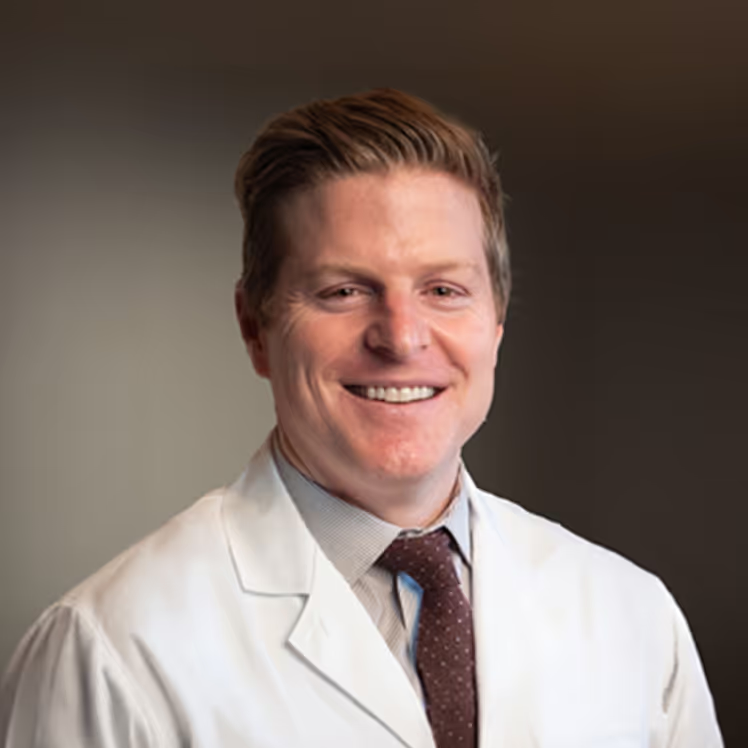
Alex Hughes, MD
Spinal Surgery
Professor Orthopedic Surgery
Hospital for Special Surgery
Weill Cornell Medical College
Alex has a background in biomedical and electrical engineering before going to medical school (both at Vanderbilt University). He has a long history in connective tissue research and understanding how the soft tissues impact the spine and musculoskeletal system. Surgeon Decision Intelligence was born out of a desire to translate these key research findings into clinical practice. By creating an expert team in AI-based problem solving and solution generation, SDI aims to improve spine and musculoskeletal healthcare. He has previous experience in startup companies from foundation to later stages.
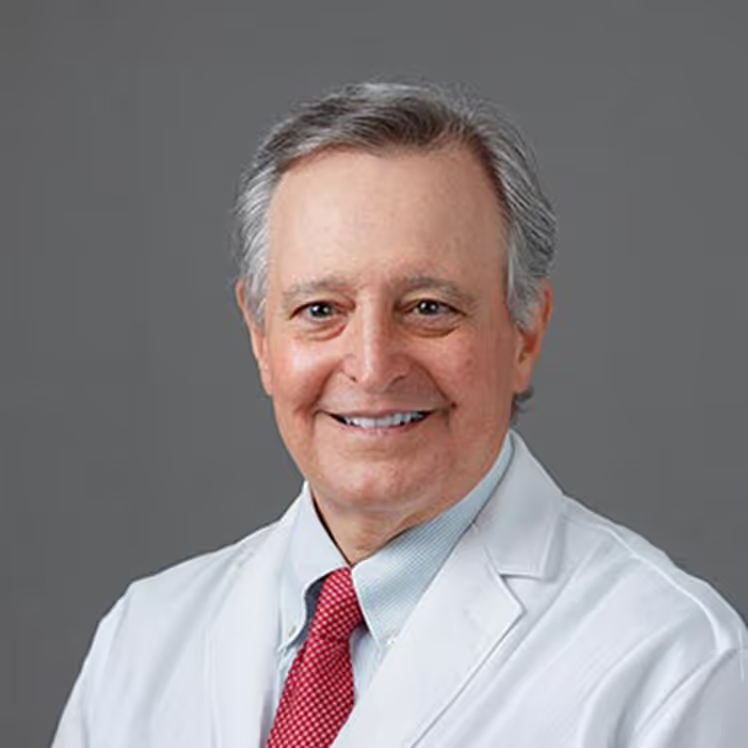
Frank Cammisa, MD
Spinal Surgery
Professor Orthopedic Surgery
Chief Emeritus Spine Surgery
Hospital for Special Surgery
Weill Cornell Medical College
Frank has significant experience in translational research and materials science. He has worked with nanotechnology and the biology of fusion. He has been involved in several early-stage translational science companies that have filled previously unmet clinical needs. He has served on several MedTech companies’ board of directors.
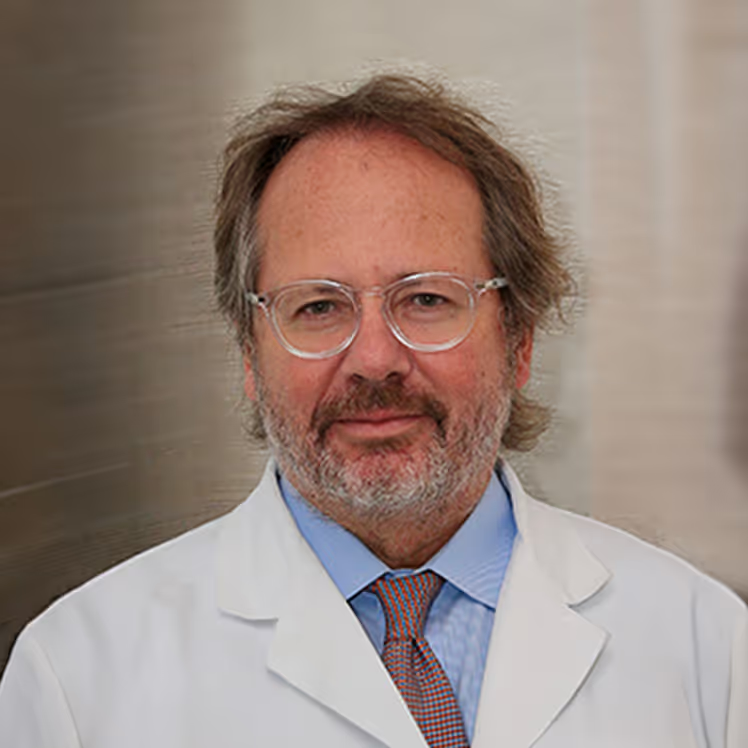
Federico Girardi, MD
Professor Orthopedic Surgery
Hospital for Special Surgery
Weill Cornell Medical College
Federico has experience re-defining how we assess patient outcomes after surgery. His research into patient expectations and satisfaction has created a new vocabulary around this complex topic. He is an active researcher in the concepts of better understanding how patients perform after surgical interventions. He has collaborated with epidemiologists on validating new tools and assessments for more accurate interpretation of disease states and outcomes.
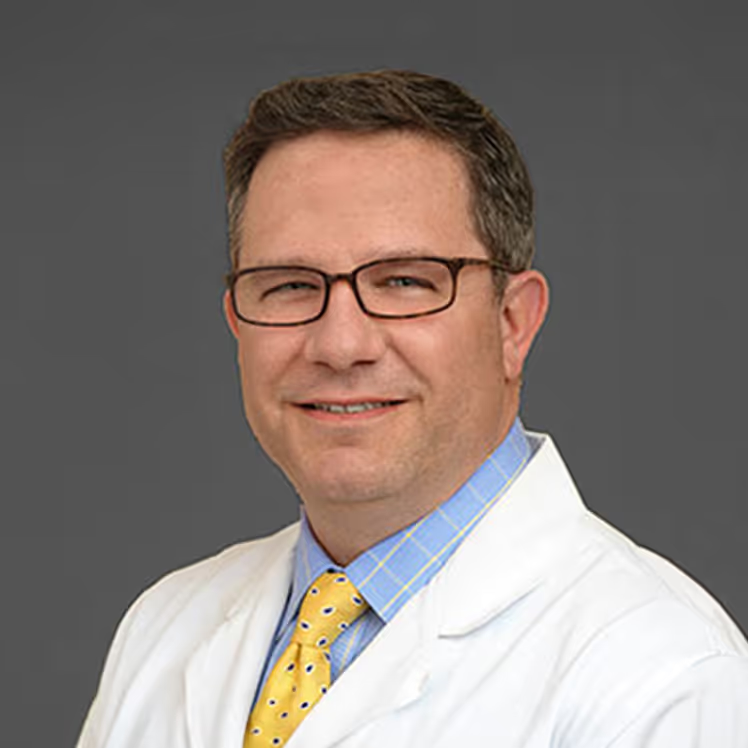
Andrew Sama, MD
Spinal Surgery
Co-Chief Spine Surgery HSS
Hospital for Special Surgery
Weill Cornell Medical College
Drew has experience leading diverse teams within Hospital for Special Surgery (where he is Co-Chief of the spine surgery service). His research experience has included exploring efficiency of care models and better understanding patient outcome metrics. He has been involved in the clinical implementation of enterprise-wide innovations and tools.
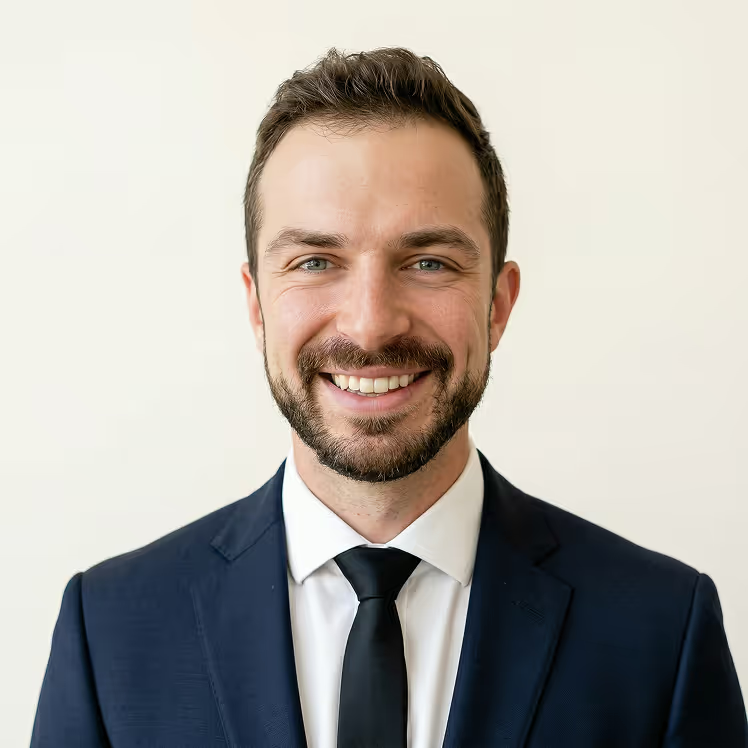
Kyle Finos, MD
Dr. Kyle Finos is an interventional radiology resident at Weill Cornell with deep clinical expertise in medical imaging and patient care. His interest in computational medicine began at the University of Michigan, where he published early work applying deep learning to radiation oncology and structural biology. He graduated in 2021 from the biophysics department with a thesis on functional RNA sequence generation using computational methods. At Cornell Medical School, Dr. Finos focused on self-supervised computer vision and translating large, semi-structured medical datasets into clinically actionable predictions. Through SDI, he combines clinical insight with AI research to address musculoskeletal disease, one of the world's fastest-growing health challenges. Outside the hospital, he enjoys playing guitar, running in Central Park, and lifting weights.
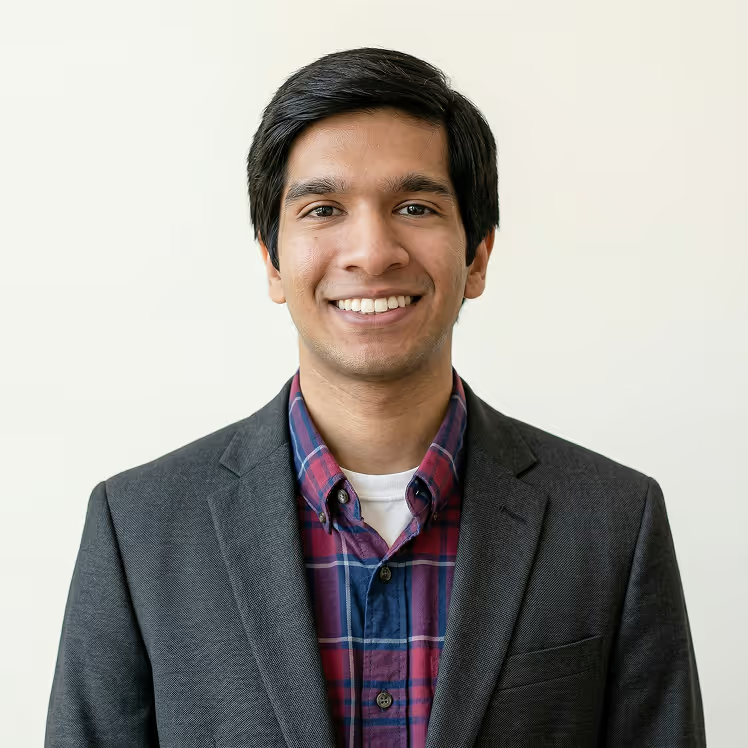
Isaac Nathoo, PhD Candidate
Isaac has a background in computer science from Brown University, where he pursued applied machine learning projects in genomics, radiology, and oncology-focused clinical decision support. He is currently an MD-PhD trainee at Weill Cornell studying cancer metabolism and cachexia. Isaac has extensive experience developing and validating AI-driven imaging biomarkers, particularly at the intersection of MRI, quantitative imaging, and musculoskeletal health. He has helped lead the technical development of SDI’s core platform, including AI model architecture, backend infrastructure, and regulatory-ready software systems. Operating at the interface of research, medicine, and FDA-regulated software, Isaac focuses on translating advanced computational methods into clinically deployable tools that improve decision-making and patient outcomes.
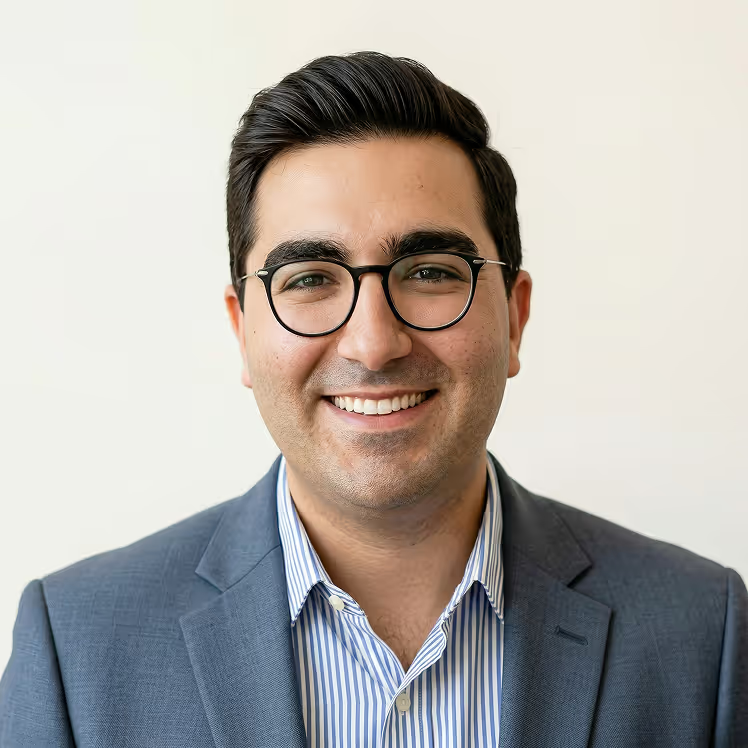
Artine Arzani, MD, MBA
Artine has a background in musculoskeletal medicine, spine research, and translational digital health technologies. He earned his MD from Weill Cornell Medicine and MBA from the Cornell Johnson School of Management, where he focused on product development and commercialization for digital health technology companies. He previously worked with SDI CEO Dr. Alexander Hughes at the Hospital for Special Surgery on inter-institutional spine research initiatives. He currently serves as a resident physician in the Department of Rehabilitation and Regenerative Medicine at Columbia and Cornell. Outside of SDI, he enjoys art history, architecture, watches, and travel.
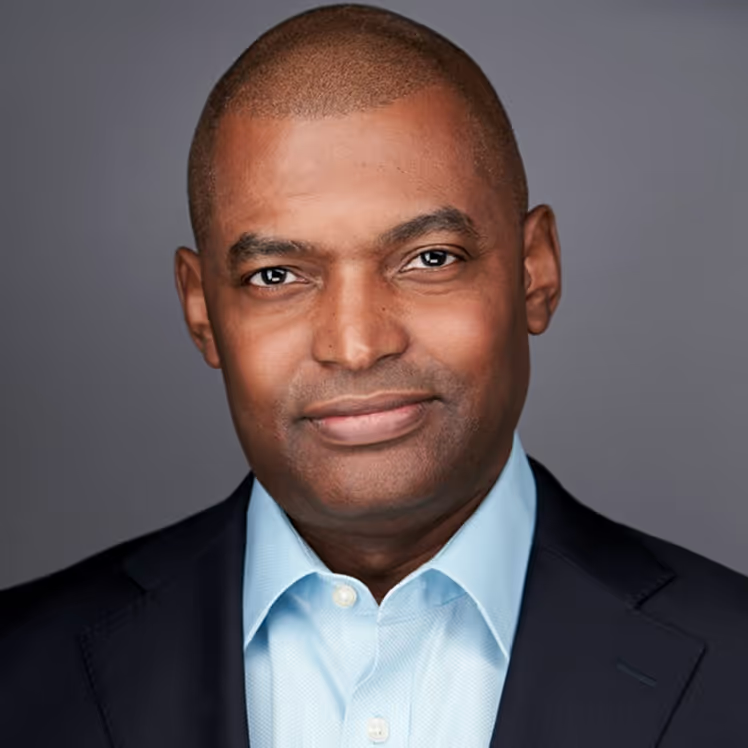
Ian Gabriel
Ian Gabriel is an engineering leader and systems architect with over 20 years of experience building and integrating healthcare AI, medical imaging, and MedTech solutions. He has held senior roles at Abbott, Microsoft, Siemens Healthineers, and Leica Biosystems, where he has led initiatives spanning EMR integration, cloud infrastructure, digital pathology, and AI/ML for clinical applications. His expertise spans the full spectrum of healthcare interoperability — from DICOM and HL7 to FHIR and IHE standards — and he has deep hands-on experience with PACS, VNA, and enterprise imaging systems across radiology, cardiology, and pathology. An active contributor to the international healthcare standards community, Ian serves on IHE and DICOM technical committees focused on pathology imaging and artificial intelligence. His background in electrical engineering, combined with certifications in Azure AI, AWS, and medical imaging technologies, positions him at the intersection of clinical workflow and cutting-edge technology innovation.

Josh Fisher
Josh brings a dual foundation in biology and machine learning to the development of SDI's core imaging platform. He holds a Master's in Applied Data Science from the University of Michigan and a Bachelor's in Biology from the University of Richmond, where his research spanned CRISPR-based gene regulation and vertebrate developmental biology. Before joining SDI, he served as technical lead for a multimillion-dollar computer vision program, delivering expert-level semantic segmentation systems and production deep learning infrastructure across demanding, high-stakes environments. At SDI, he focuses on building the computer vision and multimodal AI systems that turn spinal MRI into clinically actionable intelligence—designing model architectures, scalable data and training pipelines, and regulatory-ready deployment infrastructure in close partnership with the surgical team.
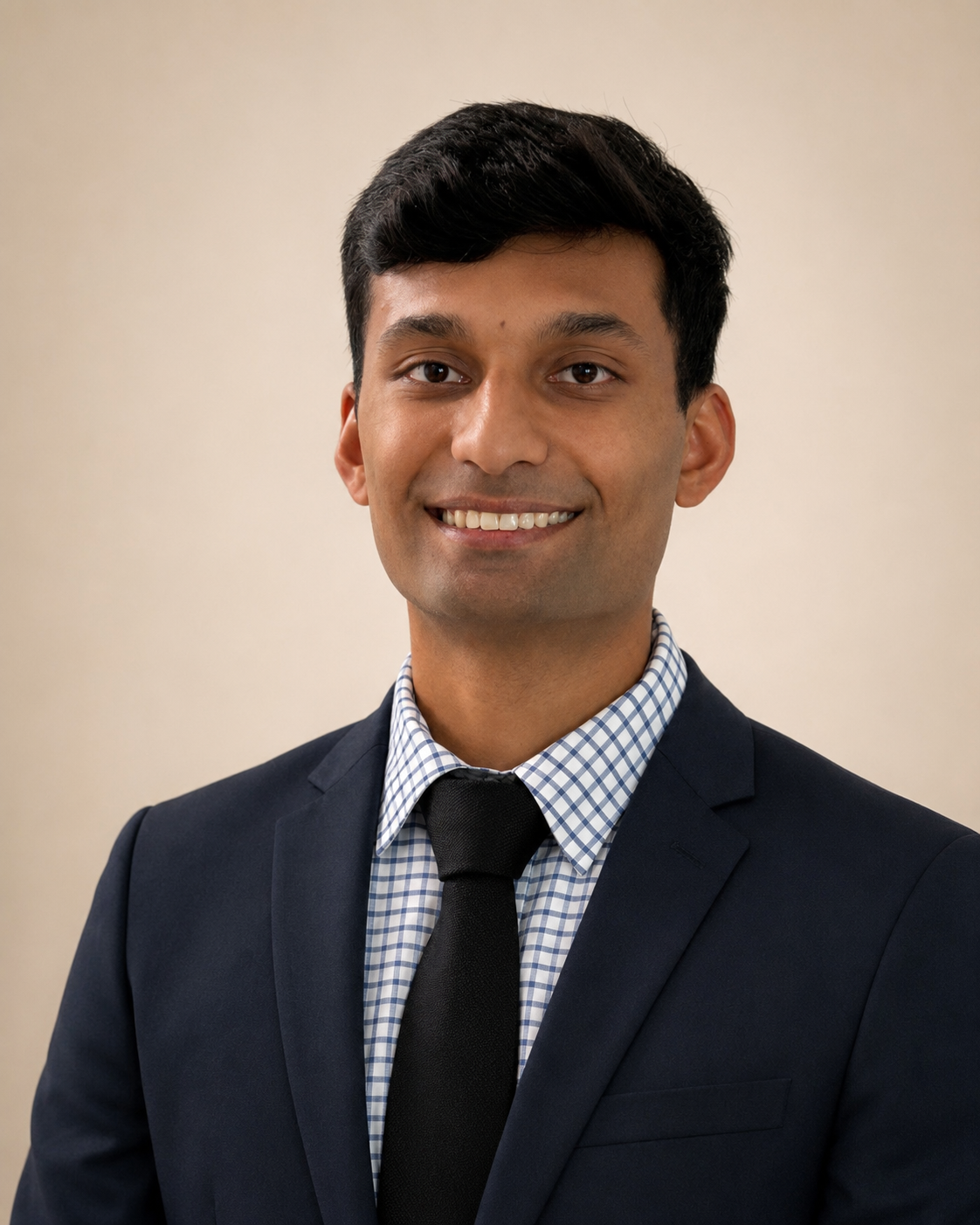
Keanu Shah
Keanu built his background in electrical engineering and computer science at Rutgers University, which is where his passion for integrating engineering principles into the medical field began. That foundation grew into a focus on musculoskeletal health and how the tools of engineering might better advance it. He has experience in quantum materials research as well as embedded engineering and machine learning applications across neurological and orthopaedic medicine. He is currently an M.D. candidate at Robert Wood Johnson Medical School, where he is invested in exploring the applicability of natural language processing, computer vision, machine learning, and agentic AI to clinical care. As part of SDI, Keanu has architected and led the development of the SDI-Research platform, which he envisions will support the transition to large-scale orthopaedic research, allowing for improved decision-making and patient outcomes. In his off time, Keanu enjoys watching and playing sports, weightlifting, and trying new foods.
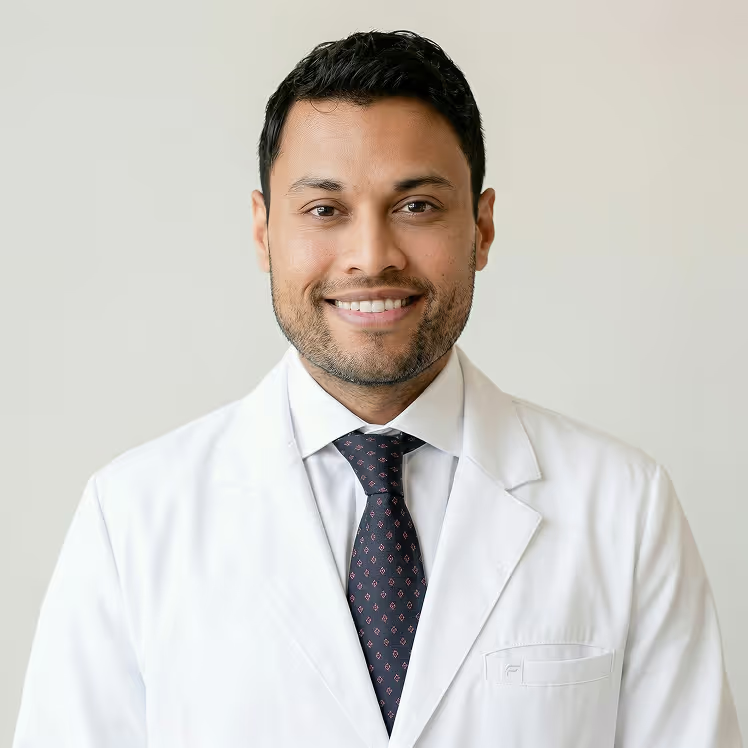
Romil Shah, MD
Dr. Romil Shah is a spine surgeon, AI researcher, and technology leader specializing in medical imaging and computer vision for healthcare. He holds a degree in Finance from the Kellogg School of Management and has advised multiple healthcare startups on product strategy, clinical validation, and commercialization in regulated AI environments. Dr. Shah has published extensively on artificial intelligence in spine care, focusing on computer vision applications for MRI and radiographic imaging. His work includes developing models that measure anatomy, segment soft tissue, and generate predictions to support surgical planning and clinical decision-making. A recognized thought leader, he has led AI-focused symposiums at major orthopedic conferences including AAOS, COA, and NASS. His expertise bridges clinical innovation, scalable business strategy, and data-driven tools that transform imaging into actionable intelligence for precision spine care.

Irina Heggli, PhD
Dr. Irina Heggli is a spine researcher and translational scientist specializing in painful vertebral bone marrow lesions (Modic changes). She holds a PhD in Integrative Molecular Medicine from the University of Zurich and a Master's in Health Sciences and Technology from ETH Zurich, with expertise spanning molecular biology, advanced imaging, and clinical spine research. Her doctoral work established foundational strategies for diagnosing and treating vertebral bone marrow lesions, while her research at Mount Sinai focused on MRI-derived biomarkers for pain prediction. As an Orthopaedic Research Society Ambassador, she bridges clinical, engineering, and scientific disciplines to drive collaborative research. Recognition from leading spine and orthopedic societies, along with competitive fellowship funding, demonstrates her capacity to deliver high-impact, clinically relevant research at the intersection of pathology, imaging, and patient outcomes.
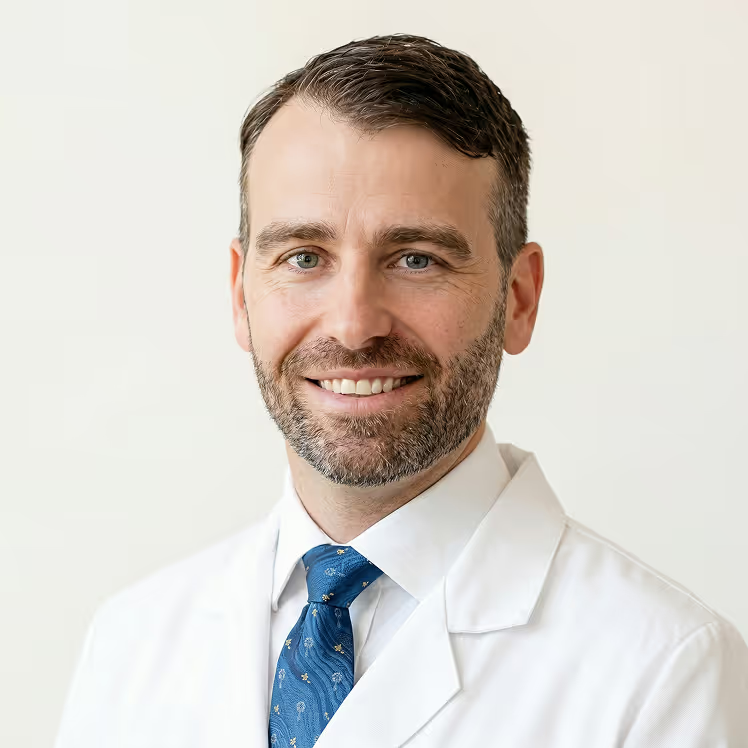
Marco Burkhard, MD
Marco is a Europe- and US-trained spine surgeon at Hospital for Special Surgery and an academic investigator at Weill Cornell Medicine, with a research focus on muscle-preserving spine surgery and long-term surgical durability. His work integrates advanced imaging, large-scale clinical datasets, and artificial intelligence to improve understanding of spinal degeneration and surgical outcomes. Surgeon Decision Intelligence was founded to translate these insights into scalable clinical tools that support decision-making and personalized care. By combining clinical expertise with epidemiology and AI-driven analytics, Marco aims to improve the durability, safety, and efficiency of spine and musculoskeletal healthcare worldwide.
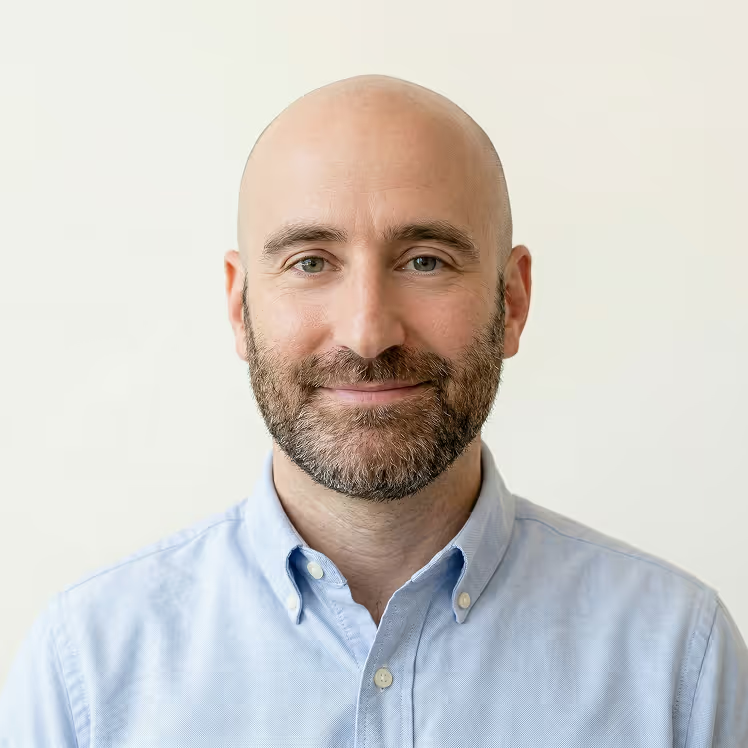
Vincent Tufaro
Vincent Tufaro graduated from SUNY Albany in 2007 with a degree in Biology and began his career in neuromonitoring at the Hospital for Special Surgery, monitoring the spinal cord during complex spine surgeries for nearly three years. He transitioned to Johnson & Johnson Spine as a Medical Device Specialist, where over 15 years he managed teams, mentored associates, and led product launches spanning spinal implants to million-dollar capital equipment, playing a key role in growing Hospital for Special Surgery into J&J's largest single spine account. For the past two years, Vincent has worked as a Medical Device Specialist with a distributorship while collaborating with SDI. His 18-year working relationship with the company's founder and shared passion for solving adjacent-level failure and understanding the relationship between posterior musculature and spine health led him to join SDI as Director of Sales.

Join Us in Redefining Surgical Decision-Making
We are building the future of Surgeon Decision Intelligence. See how SDI can transform your practice.