SDI PlatformResearchAbout UsBlog
Menu
Close
Featured

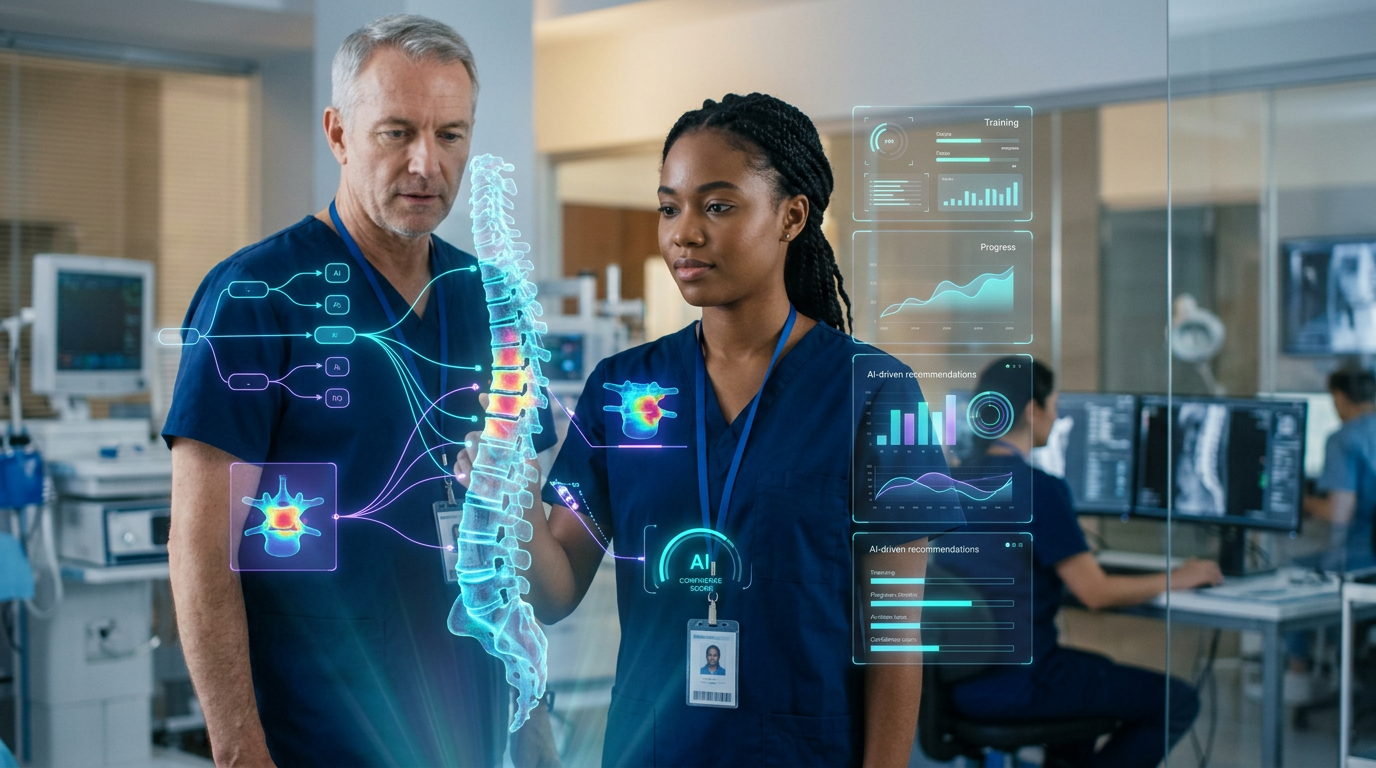
How Proportional Array Voxel Matching Revolutionizes Spine Surgery Predictions

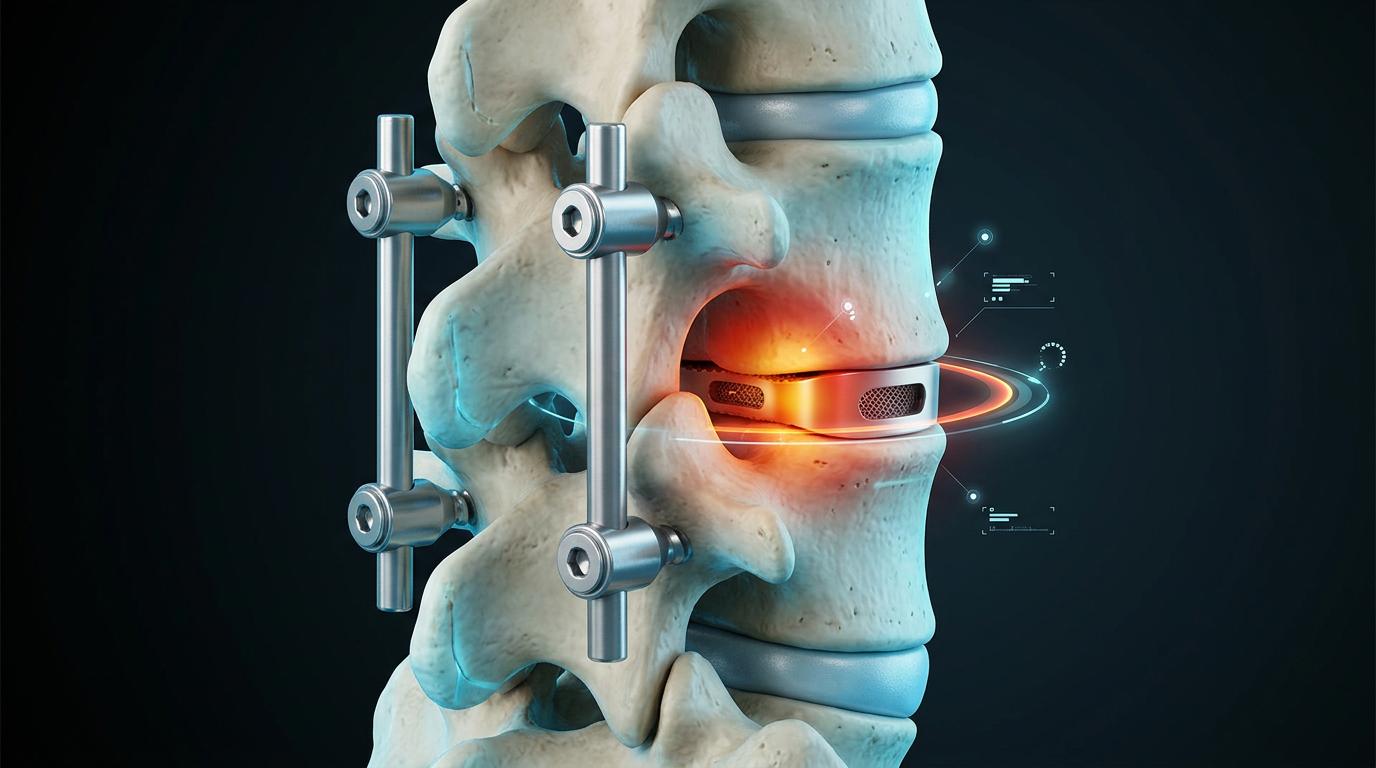
Proportional Array Voxel Matching standardizes spine MRIs across different patient sizes into comparable 3D grids, allowing surgeons to match a new patient's anatomy against thousands of historical cases to predict the best surgical approach.

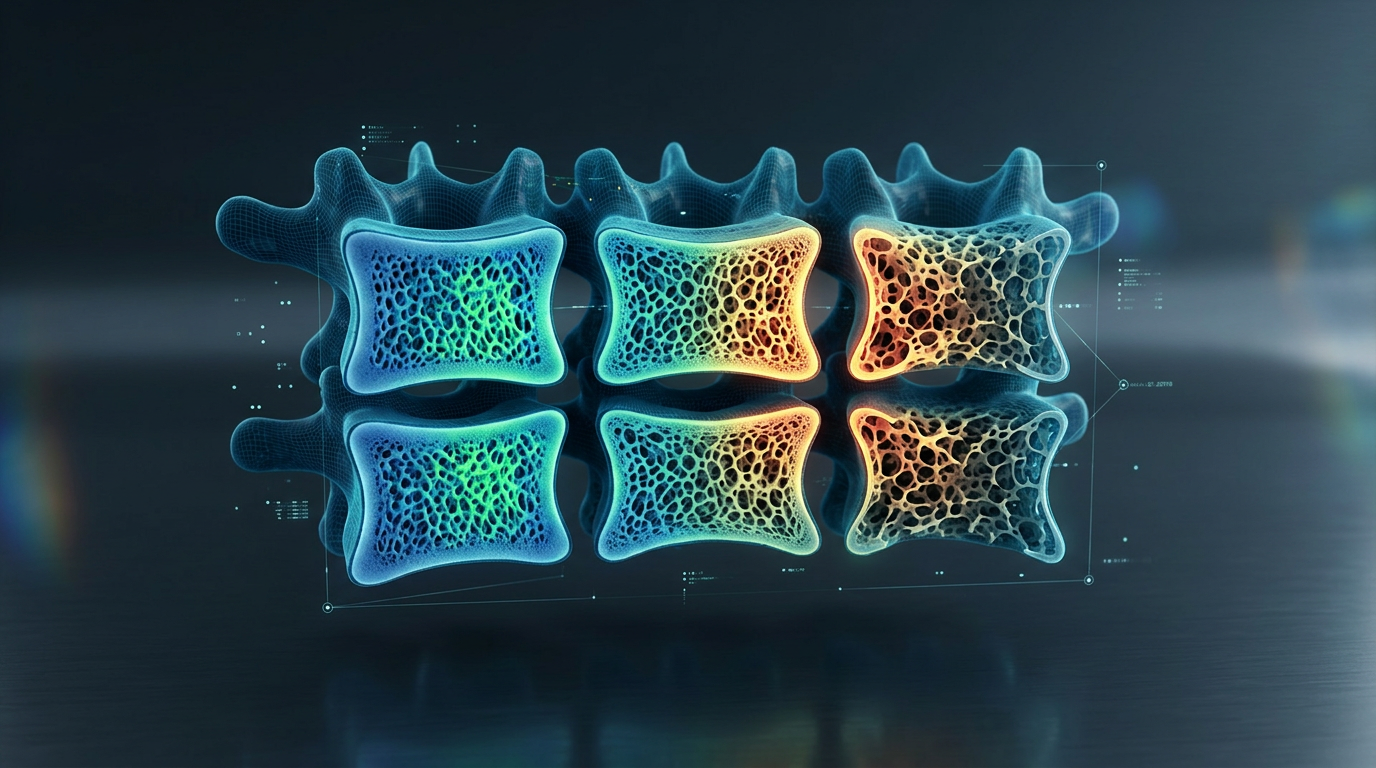
Vertebral Bone Quality on MRI: Checking the “Inside Strength” of Spine Bones

A radiation-free MRI-derived score that reveals the "inside strength" of vertebrae, helping surgeons anticipate complications and plan safer spine surgery.

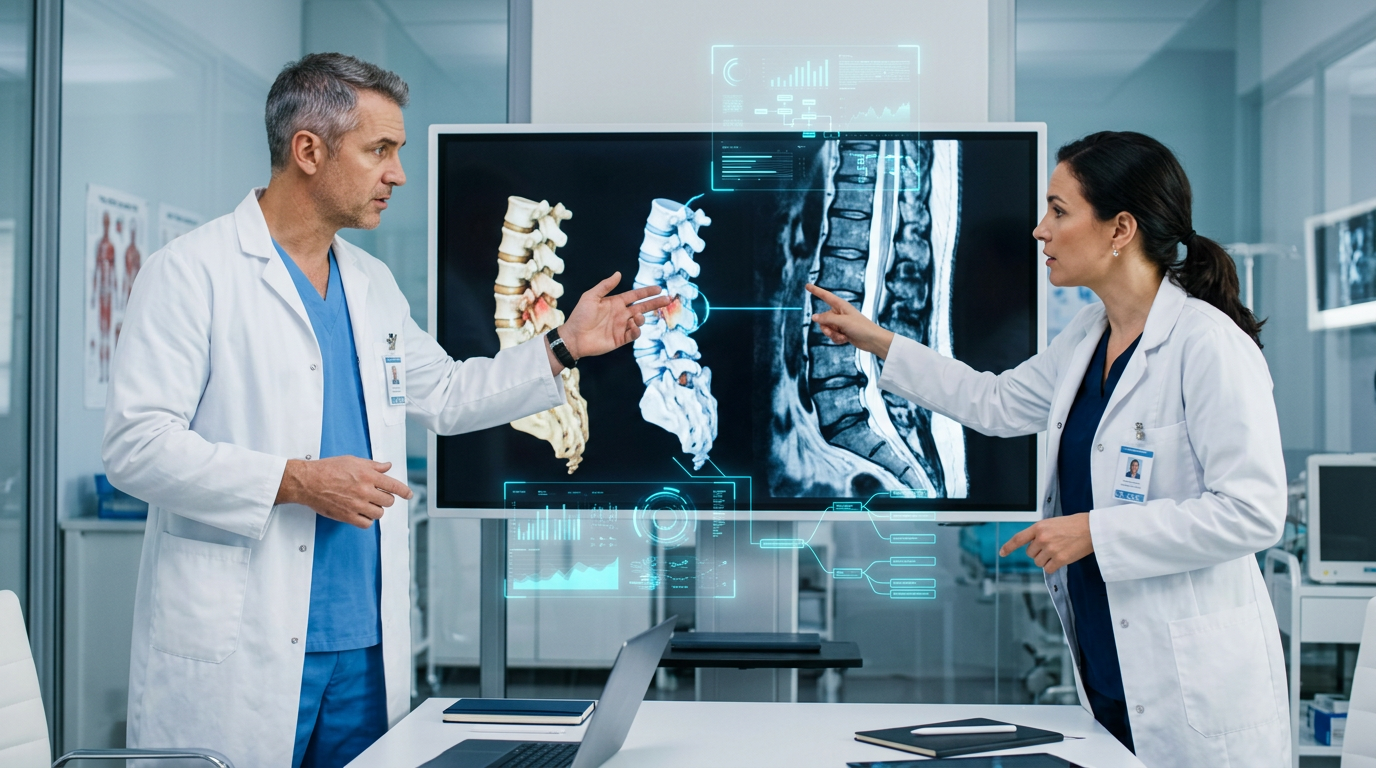
Exploring Module II: Predicting Durability Indices & Functional Outcomes

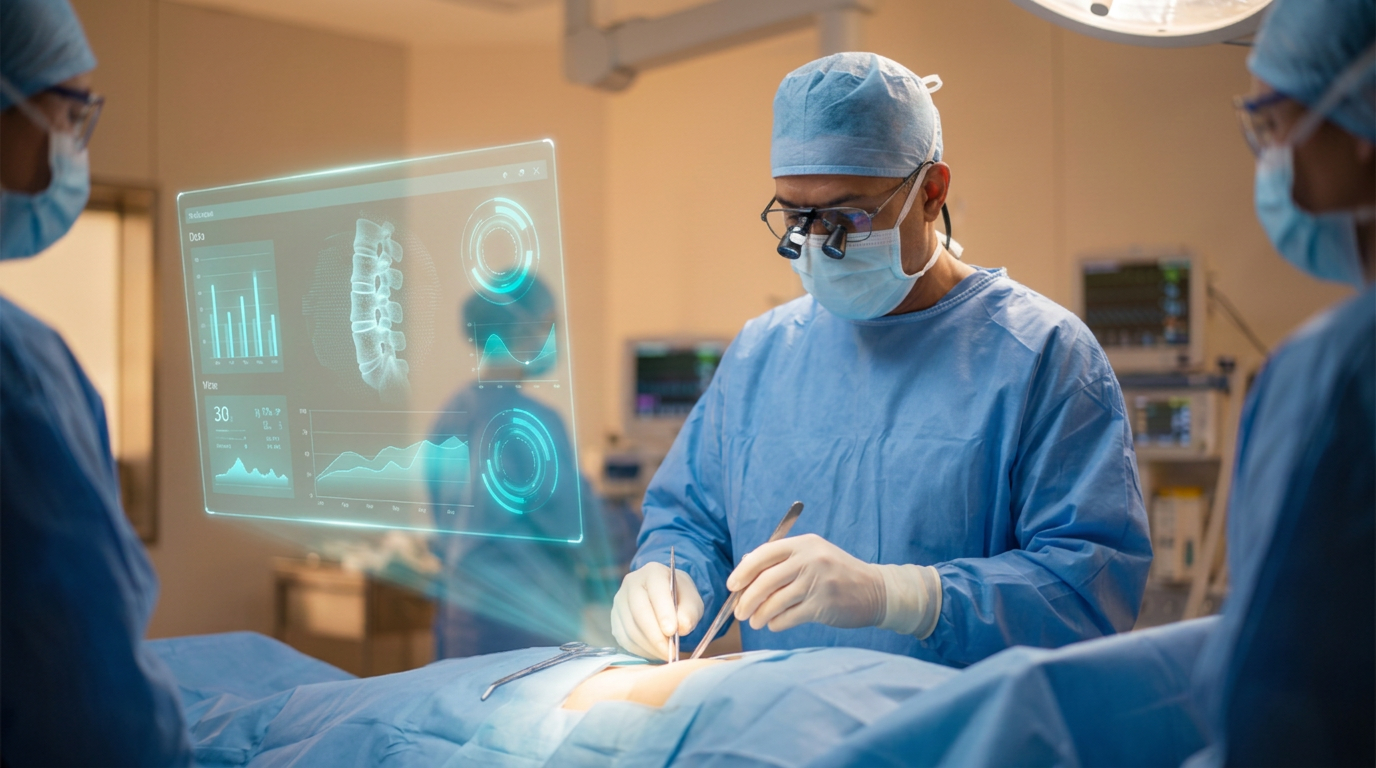
An AI-powered surgical simulation tool predicts and compares 2-year durability outcomes across different spine surgery approaches, helping surgeons make more personalized, evidence-based decisions before ever entering the OR.

Abdominal Aortic Calcification (AAC): The “Rust Line” That Can Quietly Change Spine Surgery Risk

Calcification of the abdominal aorta, visible on routine spinal X-rays, is a measurable indicator of whole-body vascular health that surgeons can use to predict surgical risk, as higher calcification scores are linked to worse outcomes like increased blood loss, poor bone fusion, and slower recovery.

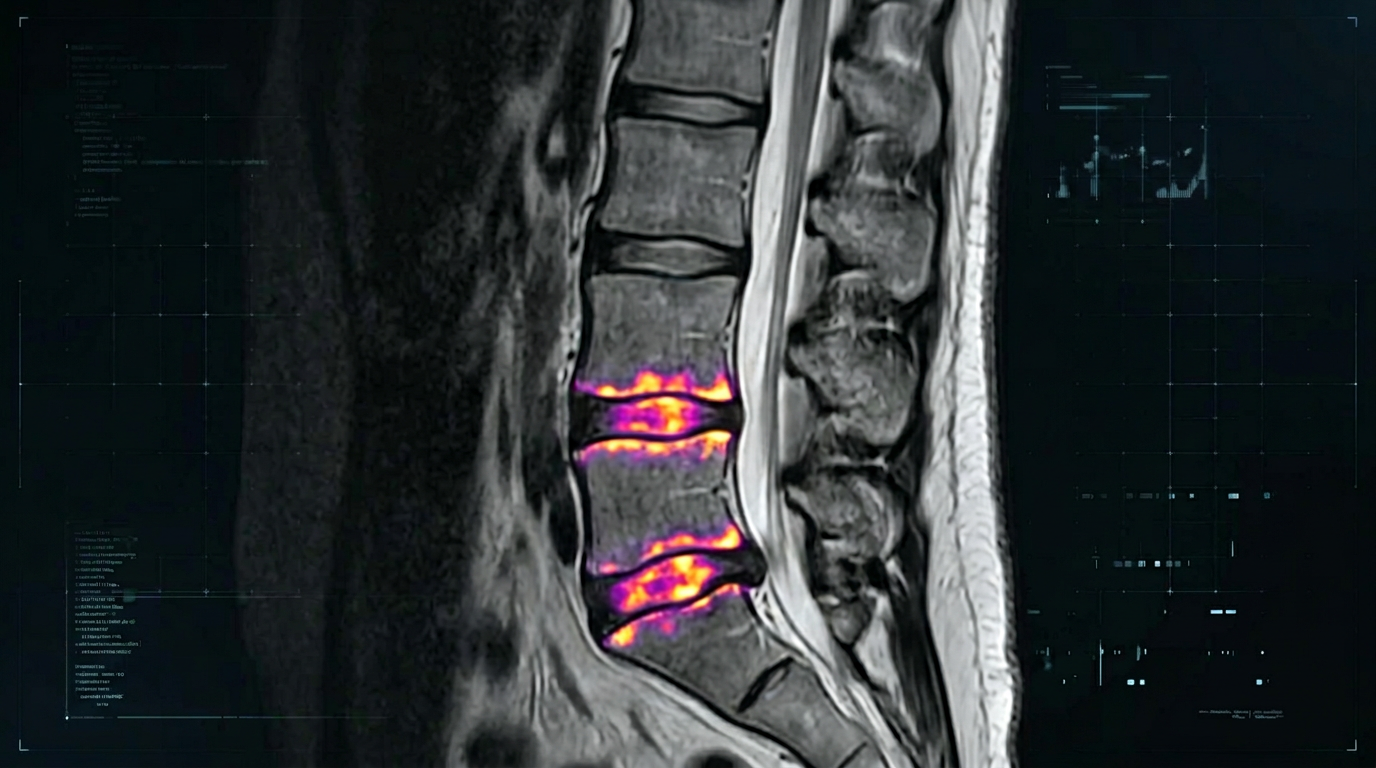
Exploring Module I: What Tissue Typing Adds to Spine MRIs

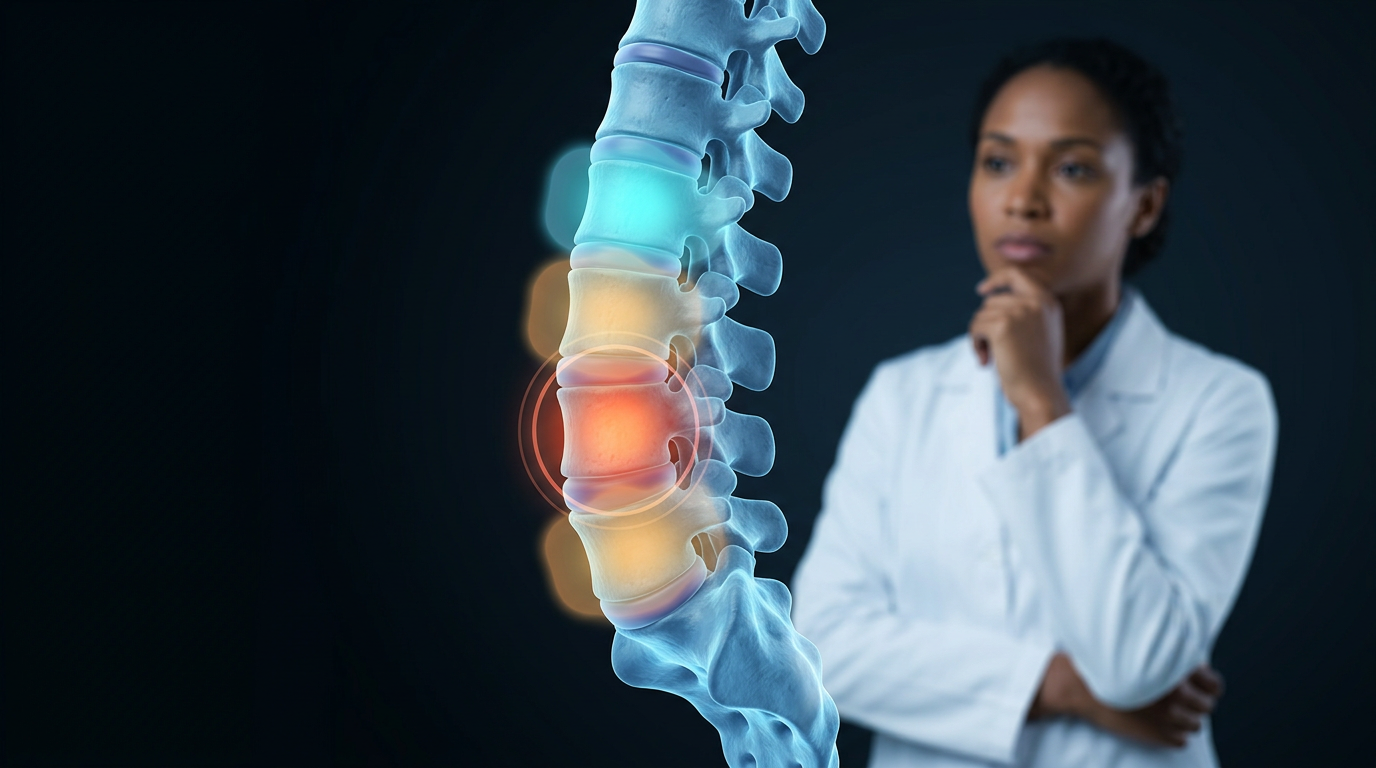
The Tissue Typing module extracts quantitative biomarkers from spine MRIs — measuring muscle quality, disc health, bone density, and nerve compression — to help surgeons tailor their surgical approach to each patient's actual tissue biology rather than diagnosis alone.

Demystifying the Digital Twin: It’s Already All Around You and How It Will Impact Healthcare

Digital twins — living, predictive digital replicas — are being applied to spine surgery, allowing surgeons to model a patient's unique anatomy, simulate procedures, and choose the best surgical approach before making a single incision.

Why the Future of Spine Surgery Isn’t Just About Bones

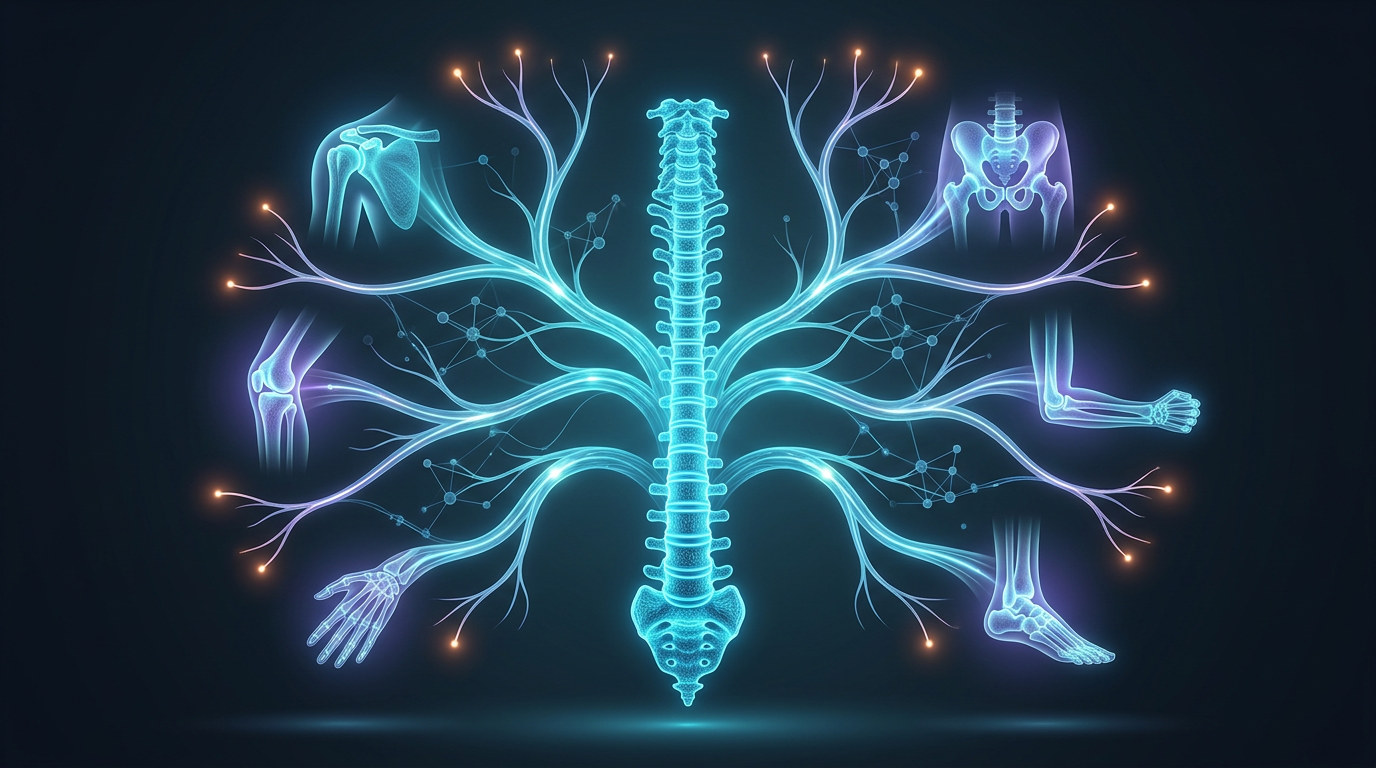
AI and Big Data are redefining spine surgery by revealing what traditional alignment metrics miss — soft tissues like muscles, ligaments, and vascular health that are critical to lasting surgical success.

Where Is My Algorithm That Tells Me What to Do?

Spine surgery AI has stalled not from lack of technology, but lack of quality data. Surgeon Decision Intelligence aims to fix that with a massive, comprehensive dataset that could finally deliver on the promise of personalized surgical guidance.

Your Spine’s Hidden Support System: How Paraspinal Muscle Can Upgrade Surgical Decision-Making In The Future

This blog explains how paraspinal muscles act as the spine's hidden support system, and why their degeneration predicts worse surgical outcomes. It advocates for using MRI-based muscle quality metrics as pre-operative tools to help surgeons make more informed, patient-specific decisions.

Product
SDI Platform
Research
Request Demo
Company
About Us
Our Team
Resources
Blog
Contacts
Contacts Us
Support
Linkedin
© 2026 SDI Inc. All rights reserved.
FDA 510(k) submission Q1 2026, expected clearance Q2 2026. SDI Platform is currently for research use only. All patient data is encrypted and HIPAA-compliant.