
Biological and Structural Intelligence for Augmented Surgical Decision Making
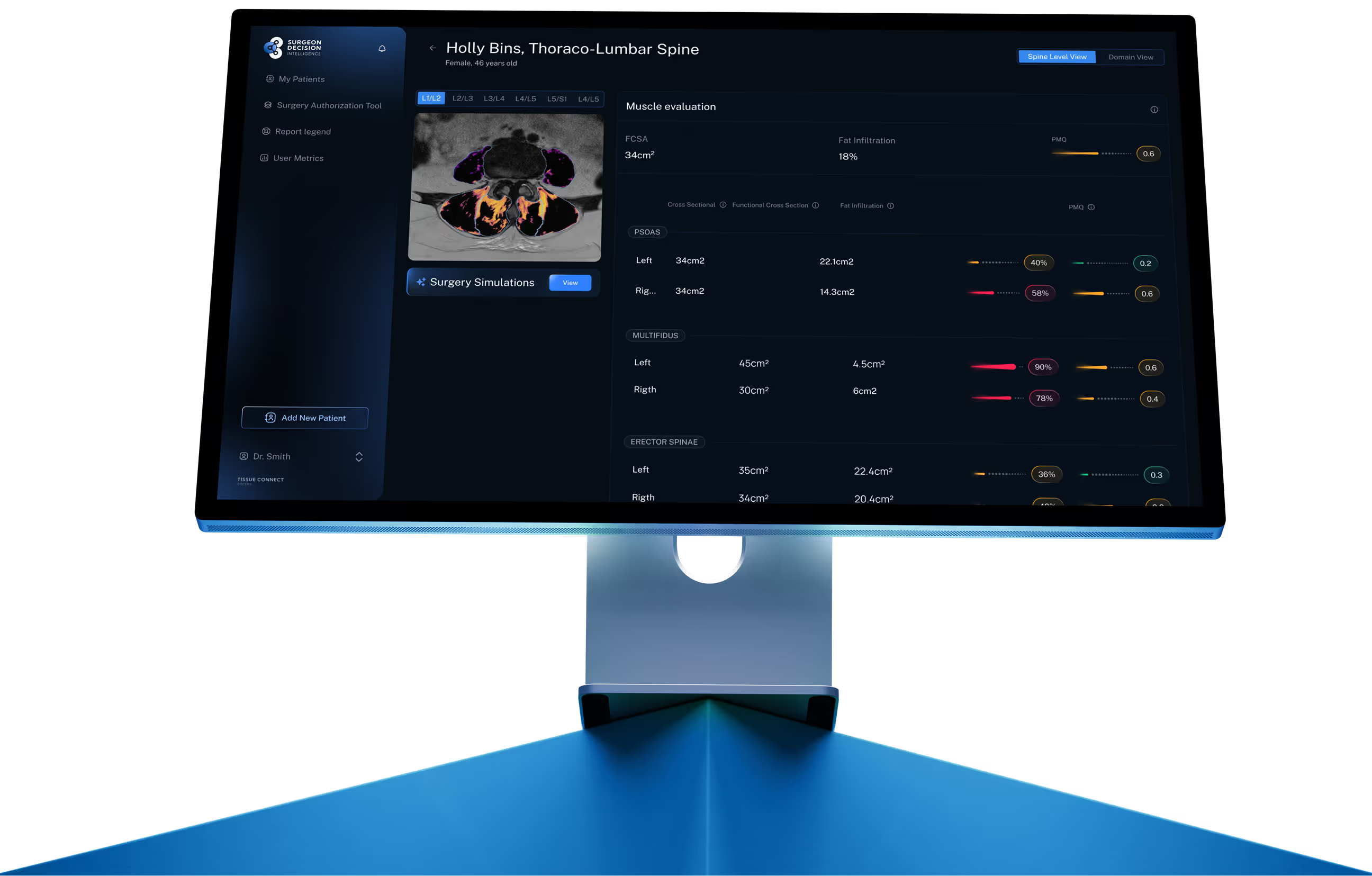
SDI Platform
SDI analyzes 20+ Quantitative Imaging Biomarkers from standard MRI studies to reveal hidden biological and structural factors that influence surgical outcomes. It then simulates the most popular surgical options on a generated biologic digital twin to predict durability and function. Built on 15 years of research and trained on 50,000+ surgical cases.
Built on the most powerful spine dataset in the world
Advanced Tissue Typing
Quantitative analysis of muscle, bone, disc, vascular, and neurological health
Patient Health Scoring
Comprehensive biological risk assessment
Surgical Simulation
Biologic Predictive Digital Twin
Surgery Outcome Insights
Predicted revision risk, mechanical failure risk and functional outcomes
Advanced Tissue Typing
SDI performs automated, quantitative analysis of 20+ imaging biomarkers across five tissue categories.
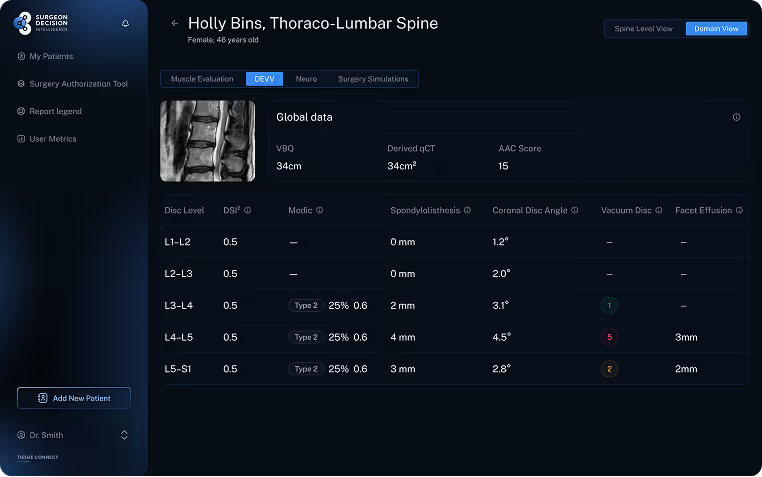
Muscle Health Biomarkers
- Spine-Specific Sarcopenia (SSS) - Predicts implant failure (AUROC 0.83)
- Multifidus Fatty Infiltration (FI) - Predicts adjacent segment disease (OR 2.7)
- Psoas Cross-Sectional Area (CSA) - Sarcopenia indicator
- Erector Spinae Quality - Paraspinal muscle health
DEVV Analysis
- Modic Changes (Type 1, 2, 3), Volumetric involvement, and Type 1 signal intensity
- DSI²: Disc Signal Intensity Index. An objective measure of disc degenerative disease.
- qCT derived from MRI: a true bone mineral density extracted from MRI
- Abdominal Aortic Calcification (AAC) - Vascular health predicting high intraoperative blood loss, poor healing capacity, increased baeline pain scores, and fusion failure
Neurological Biomarkers
- Spinal Canal Stenosis Severity
- Foraminal Narrowing
- Nerve Root Compression
Patient Health Scoring
SDI generates a comprehensive Patient Health Score based on all biomarker findings. This score provides a single, actionable metric for assessing surgical candidacy.
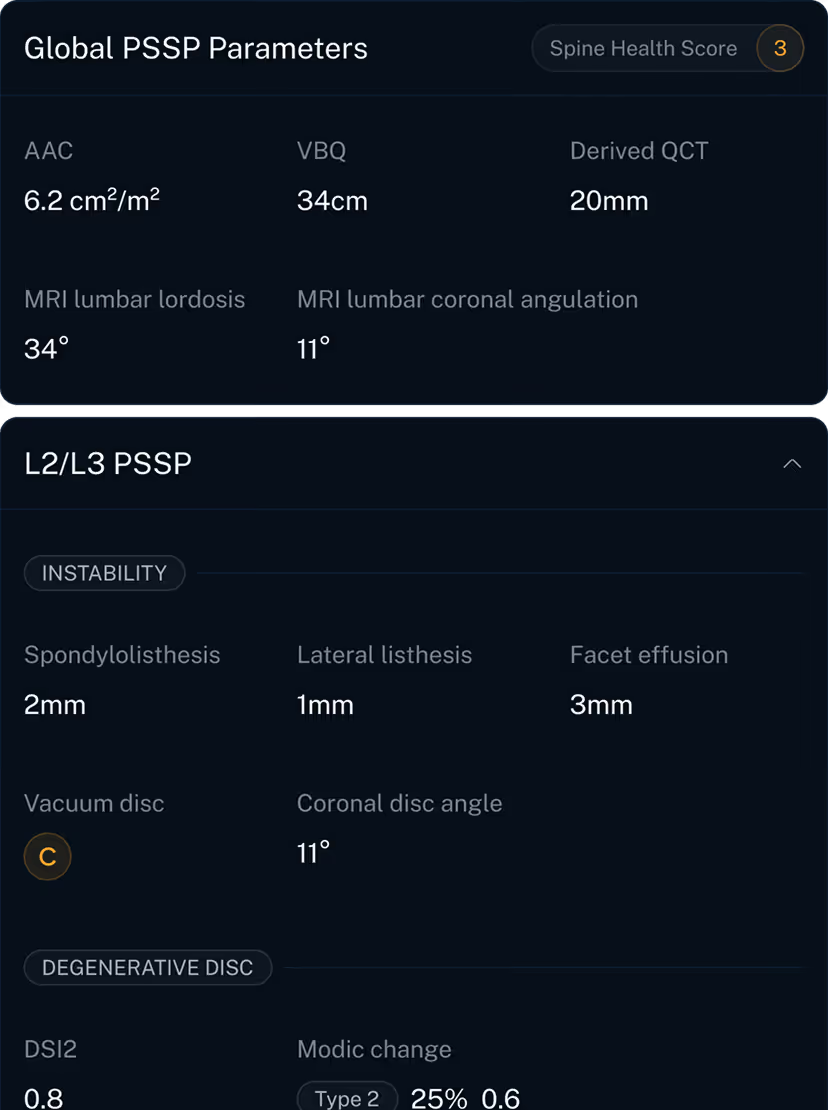
How the Score Works
- Integrates 20+ biomarkers into unified risk assessment
- Color-coded risk zones (Low, Moderate, High)
- Identifies areas of objective deformity and instability
- Guides preoperative optimization strategies
Surgical Simulation via Biologic Predictive Twin
Using Proportional Array Voxel Matching, SDI creates a patient-specific biologic Digital Twin — a biologically and structurally informed model that allows simulation of different proposed surgical approaches.
What Surgeons Can Simulate
- Surgery type (decompression, arthroplasty, fusion)
- Different fusion levels (single-level vs. multi-level)
- Surgical approach (anterior, posterior, lateral)
Surgery Outcome Insights
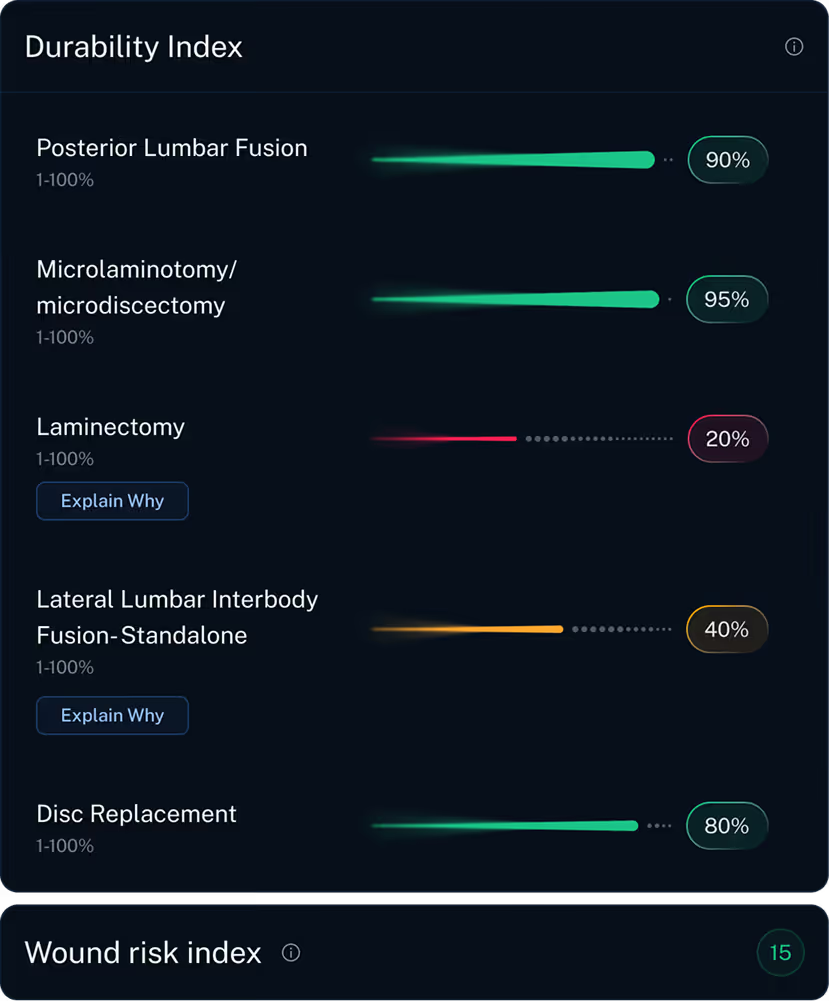
SDI provides surgeons with predicted outcomes for each simulated surgical approach, including:
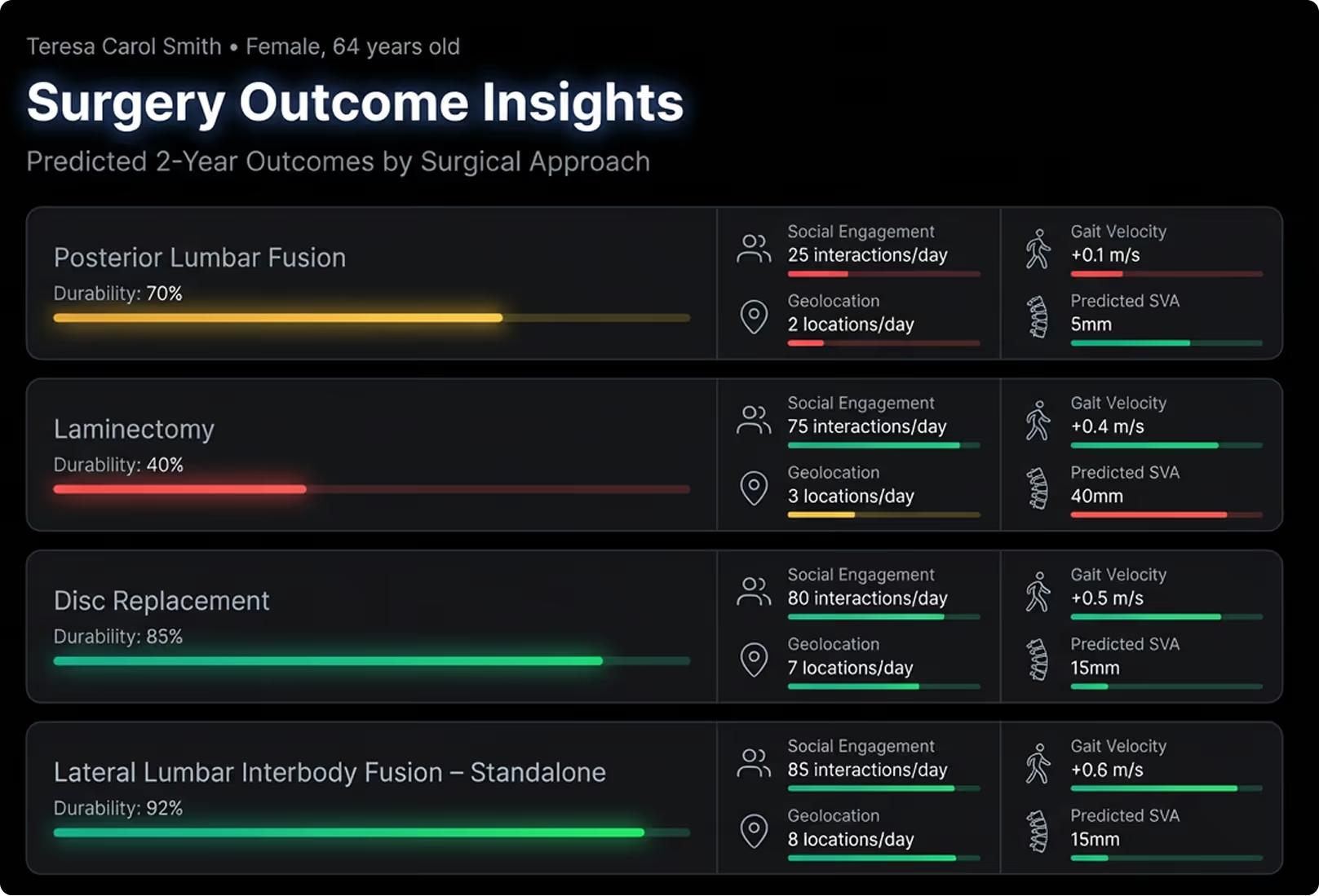
Predicted Surgical Outcomes & Recovery Metrics
- Durability Index - 2-year revision risk prediction
- Functional Recovery Timeline - Expected return to baseline activity
- Complication Probability - Risk of infection, pseudarthrosis, adjacent segment disease
- Digital Outcome Metrics - Social engagement, gait velocity, geolocation diversity, predicted SVA
Future Workflows: Beyond Diagnosis
The SDI Platform is expanding to support the full surgical care continuum:
Preoperative Optimization
Personalized exercise, nutrition, and metabolic interventions to improve tissue health before surgery
Postoperative Monitoring
Continuous biomarker tracking to predict complications early
Global Data Federation Model
global collaboration to create a separate globalized prediction model based on outcomes across the world


See the SDI Platform in Your Surgical Workflow
Request a personalized demo to see how SDI analyzes your patient cases.